Our Impact
Hands-on, child-centered programs that turn schools into hubs of environmental action.
Environmental Impact
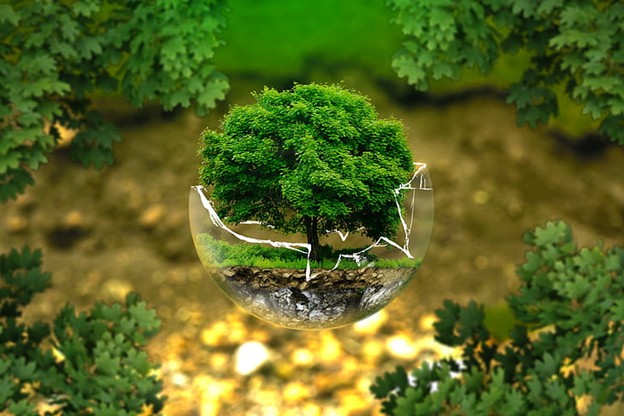
This approach not only enhances biodiversity and soil fertility but also ensures food security and sustainable development.
- Trees serve as natural carbon sinks, curbing greenhouse gas emissions and stabilizing local climates.
- We involve children from at-risk rural communities to make environmental stewardship a daily conversation, restore degraded land, mitigate environmental risks and bolster resilience for the future.
- Moreover, tree planting offers economic opportunities, providing sustainable income sources through timber, fruits, and other products.
Goal: Environmental
Economic Impact
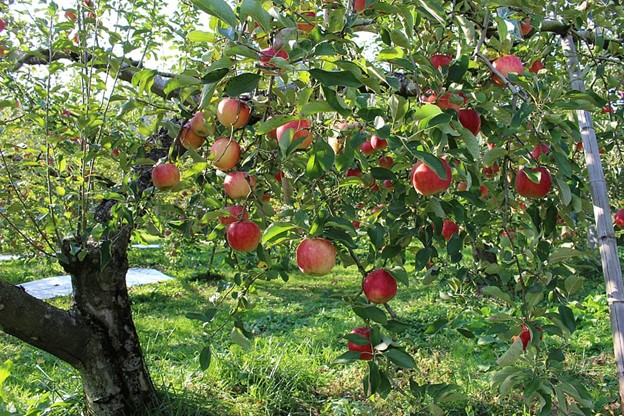
Trees take a long time to grow, but the economic benefits associated with involving the children in this endeavor need not take that long to materialize.
- We count on interim economic benefits from the trees planted to support the families of the children we engage.
- All the trees we give have significant economic benefits. For example 60% of the saplings we issue are the globally acclaimed, high yielding, Hass Avocado, which grow well in many parts of Kenya.
- One mature Hass Avocado tree can yield 1,500 fruits per year. At a sale price of 18 shillings per fruit, a rural family of six can reasonably meet their basic needs with just five trees!
Goal: Economic
Educational Support
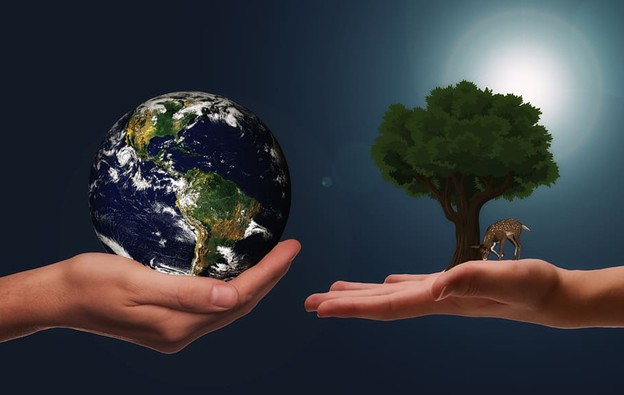
We focus our help where it is needed the most. In many cases, the children we involve are from extremely poor families and our support often means the difference between them being able to attend school or not.
- Even though education in public schools is supported by the government, school feeding programs, uniforms and other learning necessities are primarily funded by the parents.
- These are costs that often cannot be met by the parents or guardians of the children we support and our engagement helps them continue attending school without disruptions.
Goal: Education
Nutritional Impact
Involving children in tree growing and caring not only instills environmental stewardship but also has a direct nutritional impact. Through planting and nurturing trees that bear fruits like avocados, children gain access to fresh and nutritious produce, enhancing their diets and overall health.
- Other trees like the silky oak (Grevillea Robusta), which is another staple of ours, provide food for livestock in the dry seasons, ensuring families can still get milk and meat from their cattle, sheep and goats.
- For children from impoverished rural communities, these experiences not only foster a deeper connection to nature but also ensure a sustainable source of nourishment, promoting food security and well-being.
Goal: Nutrition